How to Cut Cheese the Right Way
Learning how to cut cheese is one of the most important skills a cheese lover can master. Whether you’re breaking down a wheel of brie or slicing up a wedge of gouda, the way you cut it affects the taste and texture of the cheese. So, how do you cut cheese the right way?
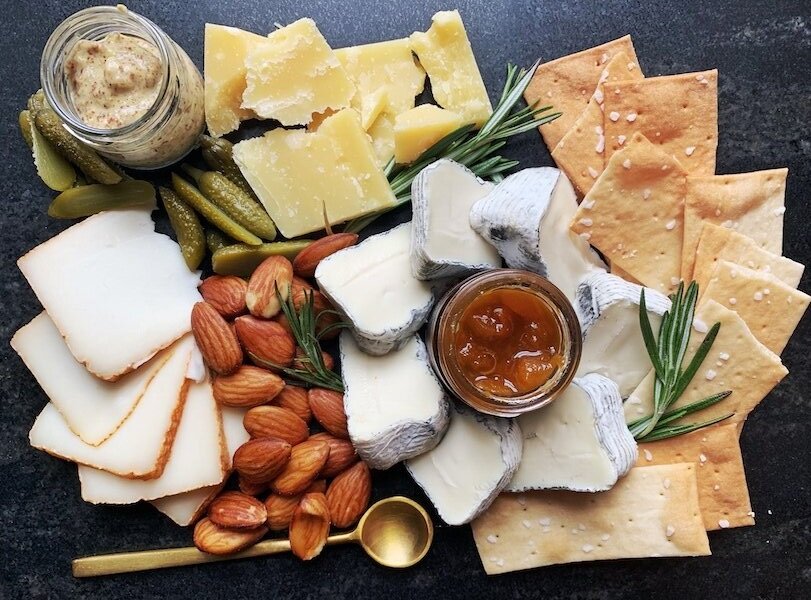
Cut the Cheese
How you slice a wedge of cheese isn’t just about aesthetics: it affects the way a cheese tastes and feels in your mouth. Every cheese has a preference for how it wants to be cut, and you can always tell based on its shape. Here’s a helpful little guide on how to cut cheese the right way. If you’re building a platter, you don’t need to cut up every cheese completely. I actually recommend against it, because if not all the cheese is consumed, then the slices will deteriorate fast versus an intact wedge that will keep longer. However, making the first incision will help guide your guests and prevent mangled cheese.
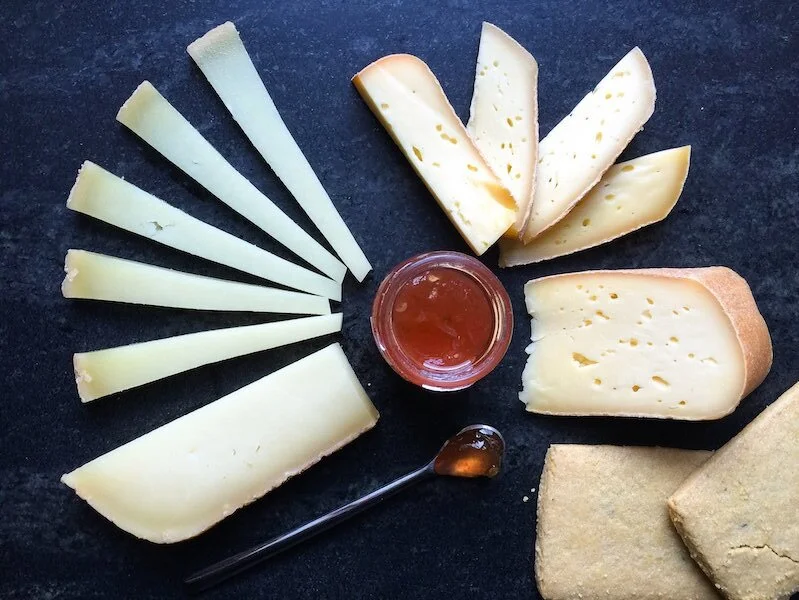
How to Cut Cheese, According to Its Shape

Round
You’re aiming for a perfect rind-to-paste ratio, so try to slice it into wedges just like you would a pie or cake. Start by slicing in half, then turn and cut it in half again so you have quarters. Continue bisecting into smaller pieces, depending on the wheel’s overall size. Each piece should be half an ounce.
Examples: Bonne Bouche from Vermont Creamery, Camembert from France, Mt Tam from Cowgirl Creamery

Square
It’s the same philosophy as the round wheel: you want a little rind and a little paste. Slice into triangles just like you would a grilled cheese. Cut it in half diagonally, corner to corner. Then, cut in half from the opposite corners so that it’s in quarters. Bisect perpendicularly, from both top-to-bottom and side-to-side.
Examples: Taleggio from Italy, Pont-l’Évêque from France, or block cheddar like Red Rock

Logs
These are usually soft goats. Slice into coins, about 1/4“ thick. If it has a large diameter, like bucheron, you can then cut it like a pie, the same way you would cut a round wheel.
Examples: Saint-Maure, Cana de Cabra, fresh chévre

Pyramid
You’re going to take the same approach as you would a square for this small category of bloomy-rinded cheeses. Keeping the bottom flat, cut in half from corner to corner. Then, cut in half perpendicularly on both sides.
Examples include Capriole Pipers Pyramid, Baetje Farms Bloomsdale, and Valençay

Spruce-Wrapped Rounds
Keep these ladies inside their bark, or they’ll ooze all over the place. Use a paring knife to carefully slice all the way around the top rind, just inside the bark. Slowly peel back and remove the top rind, then stick a spoon into the center. You can also just take off half the top rind.
Examples: Vacherin Mont d’Or from France, Harbison from Jasper Hill Farm, or Rush Creek Reserve from Uplands Cheese

Rectangle
These guys come in huge wheels and are very aged, so they’re going to have a lot of deep flavors. The key to accessing those flavors is surface area, meaning you want thin slices rather than cubes. Use a very sharp knife and slice them 1/8” thick lengthwise, from the top rind to the bottom rind.
Examples: Gruyère, Emmentaler, and Comté

Triangular Wedge
You also want a lot of surface area here, so keep the slices thin. Cut off the top and bottom rind, then slice lengthwise into thin triangles. Leave the back rind on to use as a handle, like pizza crust.
Examples: Manchego, Pleasant Ridge Reserve, and Tomme

Crumbly Cheeses
No matter how hard you try, you’ll never get a clean cut from a super fudgy blue or a crunchy aged cheese. They just want to crumble, so let them. Set out a large “showpiece” and crumble a portion into snackable chunks with the tip of a knife.
Examples: Maytag Blue, Parmigiano, Aged Gouda
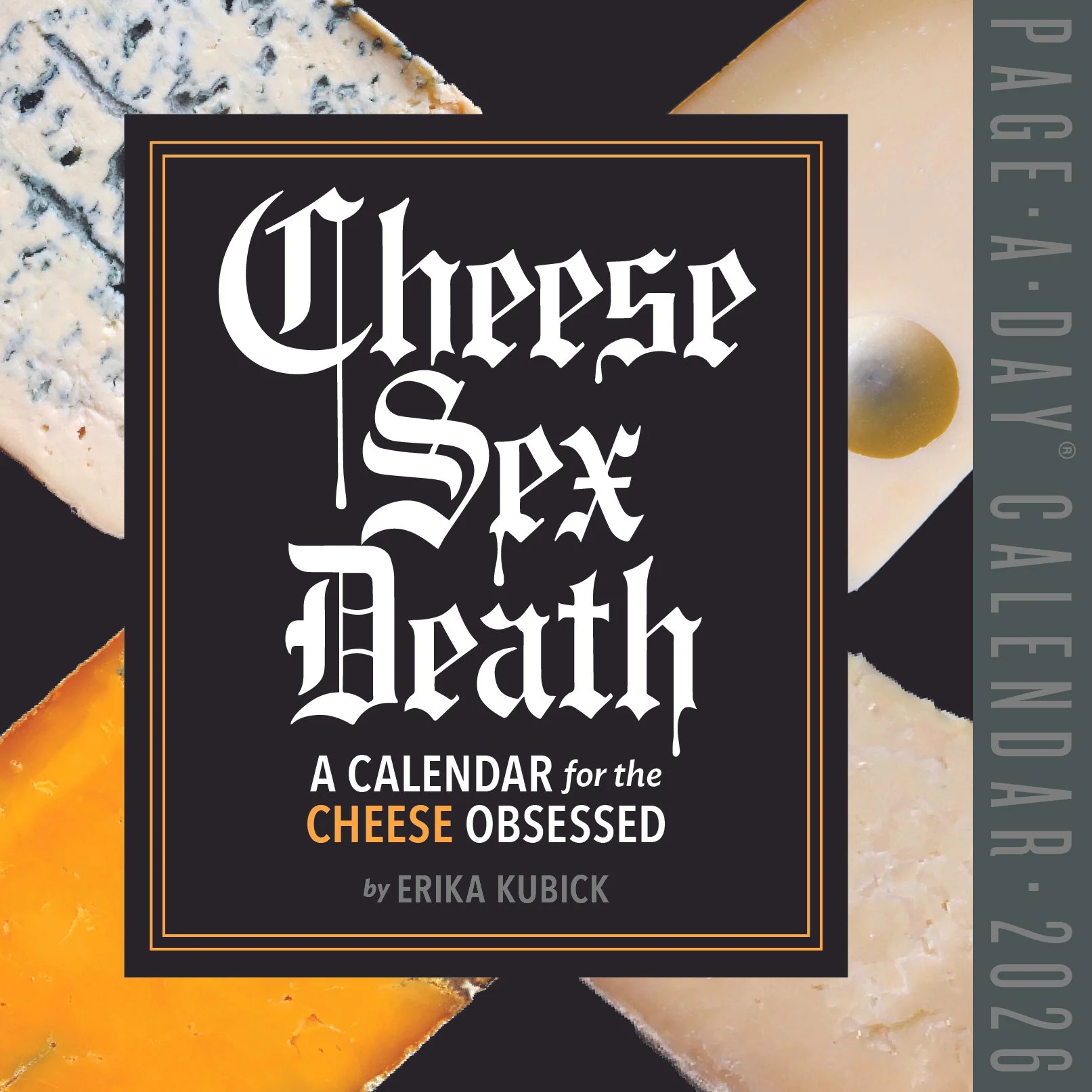
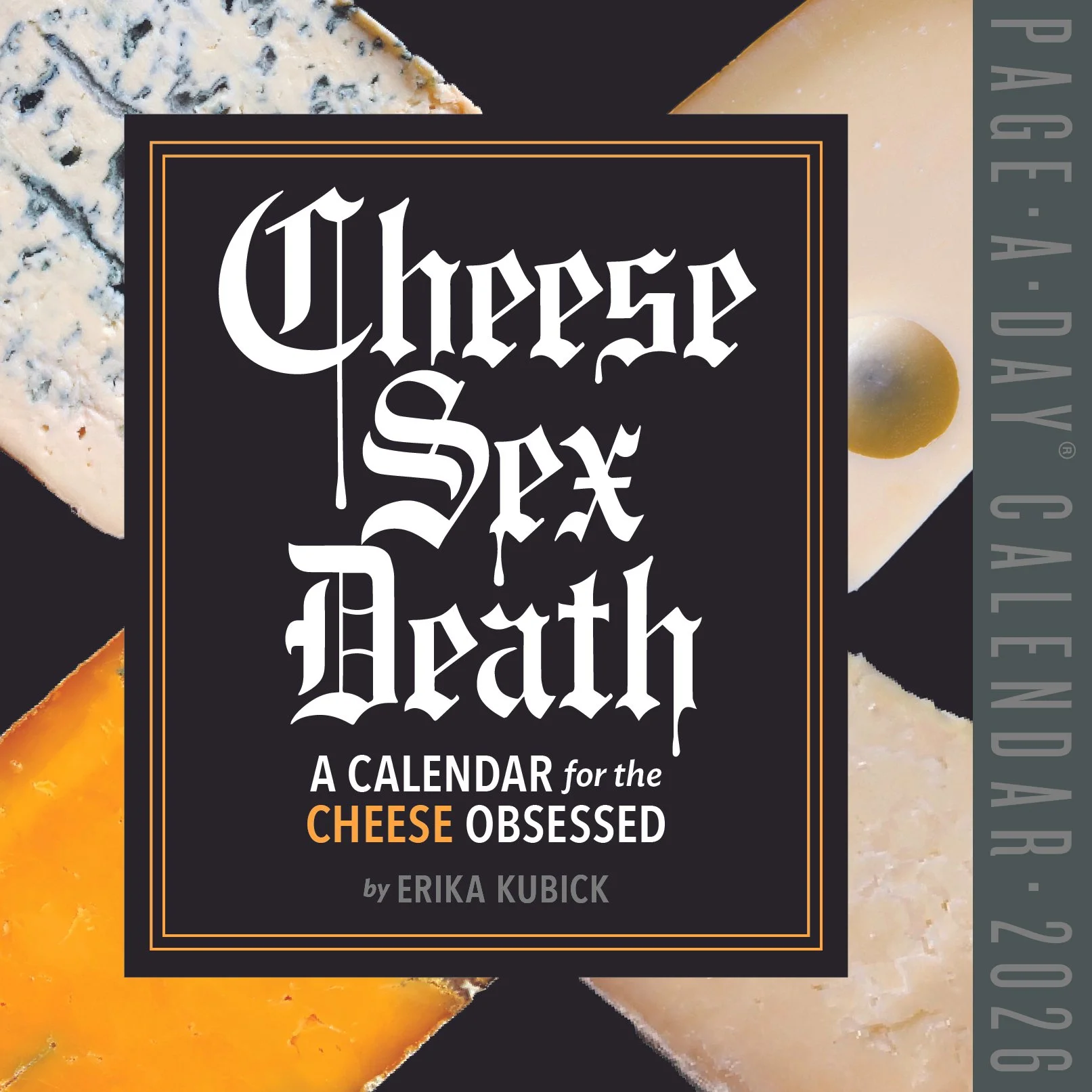
Order the 2026 Cheese Sex Death Calendar
From soft Brie to Parmesan, celebrate all things cheese with a year of recipes, history, trivia, and more, accompanied by seductive photography of the world's sexiest cheeses. Adapted from my bestselling debut book, Cheese Sex Death, this calendar is packed with tips for deliciously unexpected pairings (such as goat cheese and Rice Krispie treats), elevating your mac & cheese, storing your cheese, and much more.
Get 20% Off the 2026 Cheese Sex Death Calendar
My first calendar is officially available to order! From soft Brie to Parmesan, celebrate all things cheese with a year of recipes, history, trivia, and more, accompanied by seductive photography of the world's sexiest cheeses. Adapted from my bestselling debut book, Cheese Sex Death, this calendar is packed with tips for deliciously unexpected pairings (such as goat cheese and Rice Krispie treats), elevating your mac & cheese, storing your cheese, and much more. It makes a great gift for foodies, charcuterie fanatics, or anyone who loves to host. Page-A-Day® Calendars are also printed on responsibly sourced paper that’s 100% recyclable with sturdy cardboard backers.
Order directly through Page-A-Day and get 20% off with code “PAGEADAY26” (offer ends 12/31/25)
Independent Retailers:
The Big Guys:
Canada:
UK:

My Second Book is Now Available

Cheese Magic is officially out!
My second book, Cheese Magic: Seasonal Recipes, Plates, and Pairings is a culinary grimoire featuring more than 100 enchanting cheese-filled rituals, all organized by the Wheel of the Year. Each section features eight recipes, three cheese plates, and two pairings—thirteen opportunities to help anchor yourself in relation to the shifting seasons.
The rituals include:
Lemon Poppyseed Goat Cheese Scones for the spring equinox
Feta-Brined Chicken Thighs with Garlicky Yogurt Sauce to mark the summer solstice
Pesto-Baked Camembert with Roasted Grapes for the autumnal equinox
A Pomegranate Tonic to honor Samhain (aka Halloween)
A wreath-shaped cheese plate to celebrate the winter solstice
While I personally identify as a witch, this book mainly uses spell work as a lens through which to view the ritual of enjoying a food that requires so much work and knowledge to produce. You don’t have to identify as a witch or even practice magic to enjoy the recipes and pairings detailed within these pages. Regardless of your level of skill or interest, these rituals will have the enchanting effect of grounding you in the present and connecting you to the seasons that inspired them.
Where to Order:
Independent Retailers
The Big Guys
International
I can‘t wait for you to work some Cheese Magic of your own ✨

Do You Need to Throw that Moldy Cheese Wedge Away?
All of Your Moldy Cheese Questions, Answered
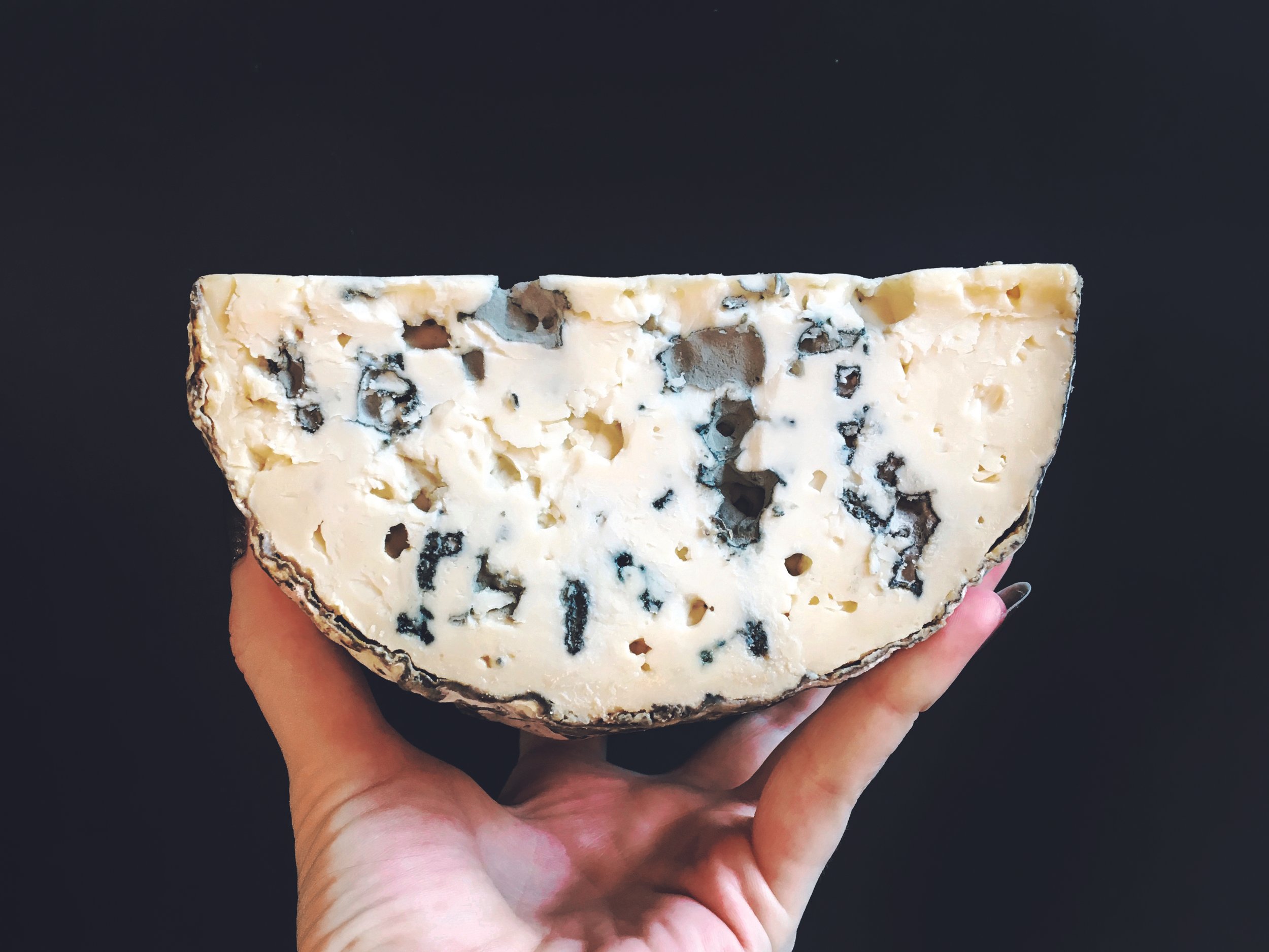
Moldy cheese has been a sensitive topic for me since last summer, when I published a video that went viral for all the wrong reasons: it was a simple demo featuring my hands scraping and slicing the mold off of a block of cheddar that I’d neglected in my cheese drawer for a few weeks too long. It was mottled with soft white and green patches, which I carefully removed before shredding the cheese and nestling it onto a tuna melt. I had no idea the video would be controversial, and was more worried that people would be grossed out by my tuna salad recipe (some people seem to really hate mayo, and I used a lot of it).
The video soon amassed millions of views and thousands of comments, mostly accusing me of endangering people’s lives. A couple microbiologists even stitched my video into their own TikTok describing how dangerous my mold scraping process supposedly was. The whole situation caused me to second guess what I had learned in my cheese career about food safety. I thought my mold scraping was standard procedure and one that I had been taught when I first started working in cheese almost 10 years ago. I was scared that maybe I had put people in danger, and I worried about stoking the fires of fear that already plagued the cheese industry, especially after those same microbiologists started coming after raw milk (another topic for another day).
After gathering myself, I sat down with my friends at Jasper Hill Farm, one of the most famous creameries in America, to discuss the food safety concerns with scraping rogue mold off of old cheese. They are not only trailblazers in our industry, but they meticulously test every batch of cheese for pathogens to ensure that each product is safe, delicious, and ready for consumption. They also have a very knowledgeable team, including microbiologist Julie Pringle and cheese evaluator, educator, and my buddy from the monger days, Alex Armstrong, both of whom helped me craft this response.

Harbison from Jasper Hill Farm
Here’s what I learned about finding mold on your cheese and how to handle it, according to the cheese microbiologist at Jasper Hill Farm.
Cheese is mold, especially artisan cheeses. Cheese contains a mystical yet highly studied ecosystem that’s intentionally inoculated with molds and other microbes. All of this helps, and is often essential, to create a transcendently tasty cheese. For example, on a soft cheese, such as Jasper’s superstar Harbison (pictured above), the molds on the rind penetrate into the cheese and work to digest the inner paste, slowly transforming it into a mesmerizing silky, oozy texture. While you can only see the molds on the rind, they’ve already worked their magic on the inner paste too. Obviously, that’s the work of intentional mold, but those were once rogue molds until scientists isolated and commercialized them for cheesemaking. They went through all that trial and error so we don’t have to.
Cheesemaking microbes are friends, not foe. Scientists have studied cheese microbes for centuries, and through trial and error they have discovered how to adjust the moisture levels, acidity, and salt content to reduce the risk of harmful microbes in favor of those that are beneficial or neutral. If a rogue mold starts populating a firm cheese, it’s likely that it was present in the ripening space or making up the rind’s flora and is now growing onto the cut surface. If commonly found surface molds were a risk to public health, then cheese businesses would have to eliminate those risks. After all of that careful testing and procedures, rogue molds carry more risk of affecting the flavor and texture than making you sick.
The mold growth on firm cheese is not contaminating the whole cheese. Like all fungi, mold has mycellia, a root-like network made up of branching threads called hyphae. This interweaving system often lives within organic matter, such as soil, vegetative matter, or even cheese. The roots can easily penetrate porous, moisture-rich material like raspberries or fresh cheeses like mozzarella, but the hyphae can’t travel that deep in a dense product like cheddar cheese.
Firm cheeses are dense, so it would take months for the hypha to fully infiltrate the entire body of cheese. However, molds can easily penetrate porous, moisture-rich substances like fresh cheeses, such as fresh mozzarella, so you should throw those away if they get moldy. Those cheeses are high moisture and not meant to age, so mold indicates spoilage. Soft-ripened cheeses, such as brie-styles, are also higher moisture and have a shorter lifespan than firm cheeses, making them more susceptible to unintentional molds without the same defenses against pathogens. Finding unwanted molds on those guys are definitely an indication that the cheese has passed its prime and should be tossed.
Eating mold is not dangerous by nature. Some molds are toxic, but those strains are rather rare when you look at microbial diversity as a whole. This is going to be really creepy to some people, but mold is literally everywhere. In fact, we eat it everyday whether we know it or not because, I repeat, it’s everywhere! There’s mold on our skin, floating in the air, and working its way into all of our food, whether or not you can see it. It’s unavoidable, and most of it isn't going to hurt you. There's no way of knowing what kind of mold it is, but because of the precautions that cheesemakers undergo, it is unlikely to be harmful.
No, eating mold will not ruin your gut flora. We’re ingesting mold traces whenever we eat, drink, and breathe. Mold is a wonderful and healthy part of our daily lives that you can’t avoid mold or sanitize out of your life. In fact, your gut microbiome is filled with microorganisms, and the more the better! If there’s enough beneficial bacteria, it can even protect you against harmful intruders. Of course, there are harmful molds you don’t want, and you should be cautious when you see a rogue mold that’s not supposed to be there, but how cautious you are is up to you.
If you do get sick from a cheese, it’s more likely due to a well-known pathogen rather than some mystery mold. The main pathogens that affect cheese are very well documented. They are invisible to the naked eye, and include Listeria Monocytongenes, E. coli O157:H7, Staph Aureus, and Salmonella. Cheesemakers work very hard and undergo rigorous testing to prevent these pathogens, and are required to screen and monitor their cheeses for them, usually with the help of a third party lab. In the very rare event that you get sick from a cheese, it’s more likely due to one of these pathogens than a rogue mold.
If you do cut off the mold, eat the remaining wedge ASAP. Cheese always tastes best when it’s freshly sliced from the wheel, and rogue molds mean that wedge has been sitting around for too long. The USDA recommends cutting off an inch on the affected surface. Personally, I just scrape it off, or slice off about ¼”. I’m aware that it doesn’t remove the mold entirely, but I’m OK with that. For me, the bigger issue is with the deteriorating flavors and textures in the wedge indicated by the mold growth. That cheese is probably past its prime, so it needs to be eaten ASAP while it’s still tasting good.
In conclusion, there’s no perfect answer to whether or not that moldy cheese is dangerous, but it might be helpful to know that the experts are more concerned about the sensory experience of that moldy cheese than they are about whether or not it will get you sick. “If there was a likelihood that our products turn to poison once removed from their packaging,” says Jasper Hill, “we'd probably be extremely anxious about hurting people and going bankrupt. Instead, we're snacking on moldy cheese right alongside you.”
The truth is that mold is everywhere, and there is always going to be some risk when there’s visible mold on a cheese. But, in the realm of food safety, there’s also a lot of risk when it comes to eating melons or berries or sprouts. Just look at the FDA reports. If you see unintentional mold on your cheese, cut it off. If you have underlying health conditions, are immunocompromised, or just risk averse, throw the cheese away. Trust your judgment, and do what’s best for you no matter what anyone on TikTok or Instagram tells you. And that includes me! Everyone has their own comfort level, so you have to do what’s right for you.
What to do if you find mold on your cheese:
Ask yourself when you bought the cheese and if the mold is a continuation of the rind or otherwise belongs.
If you bought the cheese weeks ago, and the mold seems foreign to the cheese, then consider cutting off up to an inch around the affected area.
If you’re really worried about it, just throw it away.
If it’s a soft cheese, then throw it away. That mold might not be dangerous, but the cheese is definitely past its prime.
How to avoid getting mold on your cheese:
Eat that cheese within a week of buying it: cheese stops ripening and begins to deteriorate as soon as it’s cut, so it’s best to buy only as much as you need for the week, eat it fast, and then buy more.
Use cheese paper to properly store your cheese: plastic wrap cuts off oxygen and traps moisture, which accelerates decomposition. Read more about proper cheese storage here.
Wash your hands and your knife before and after cutting cheese. I’d also recommend doing the same if you’re cutting multiple types of cheeses, to avoid cross-contaminating microbes.
Citations:
Acknowledgements:
Thank you to Julia Pringle and Alex Armstrong at Jasper Hill for your support and expertise on this article! Thank you also to Emilia d’Albero for being my right hand man during this debacle. Also shout out to my whole cheese fam for being very supportive during this. Love you all!
Cheese Sex Death Events
Come get your cheese slut on, raise a toast, and have your bible signed. Still need a copy? No worries, just add a copy of Cheese Sex Death to your ticket or buy one on site.
Can’t wait to worship Cheesus with you!
1/28 The Festival of Imbolc: An All Sheep’s Milk Tasting with Beautiful Rind in Chicago, IL
Sunday at 2PM and 6PM CT. Get tickets to the first seating here and the second sitting here.
We’re joining forces with Erika Kubick of Cheese Sex Death for a cozy all sheep’s milk cheese tasting inspired by the festival of Imbolc. This ancient Celtic celebration marked the beginning of lambing season and the sheep’s lactation cycle. Randall and I will guide you through a magical lineup of 5 sheep cheeses, each paired with a special seasonal accompaniment. Prepare for an enchanting night of deep winter revelry where you’ll learn all about cheesemaking history, pagan tradition, sheep breeds, and the many different kinds of cheeses made from ewe’s milk! After class, I will be signing copies of Cheese Sex Death: A Bible for the Cheese Obsessed. Your ticket to the cheese heathenry includes: a 101 sermon on the basics of cheese worship, a tasting of 5 cheeses inspired by the winter solstice, each paired with a curated accompaniment, and a book signing.
2/12 Hot Cheese: Galentine’s Day with All Together Now in Chicago, IL
Monday at 6–9PM ET. Get tickets here!
Teaming up with All Together Now for a hot and saucy cheese party featuring all-you-can-eat Raclette, cheese flowers, fondue, and more! Expect toe-curling accompaniments and titillating beverage pairings that will set your heart aflutter. Tickets are $65 for the feast and a beverage pairing of your choice (both boozy and N/A options available). Come hungry and ready to party! Get tickets here!
Cheese Sex Death: A Bible for the Cheese Obsessed
Get a Copy of My First Book
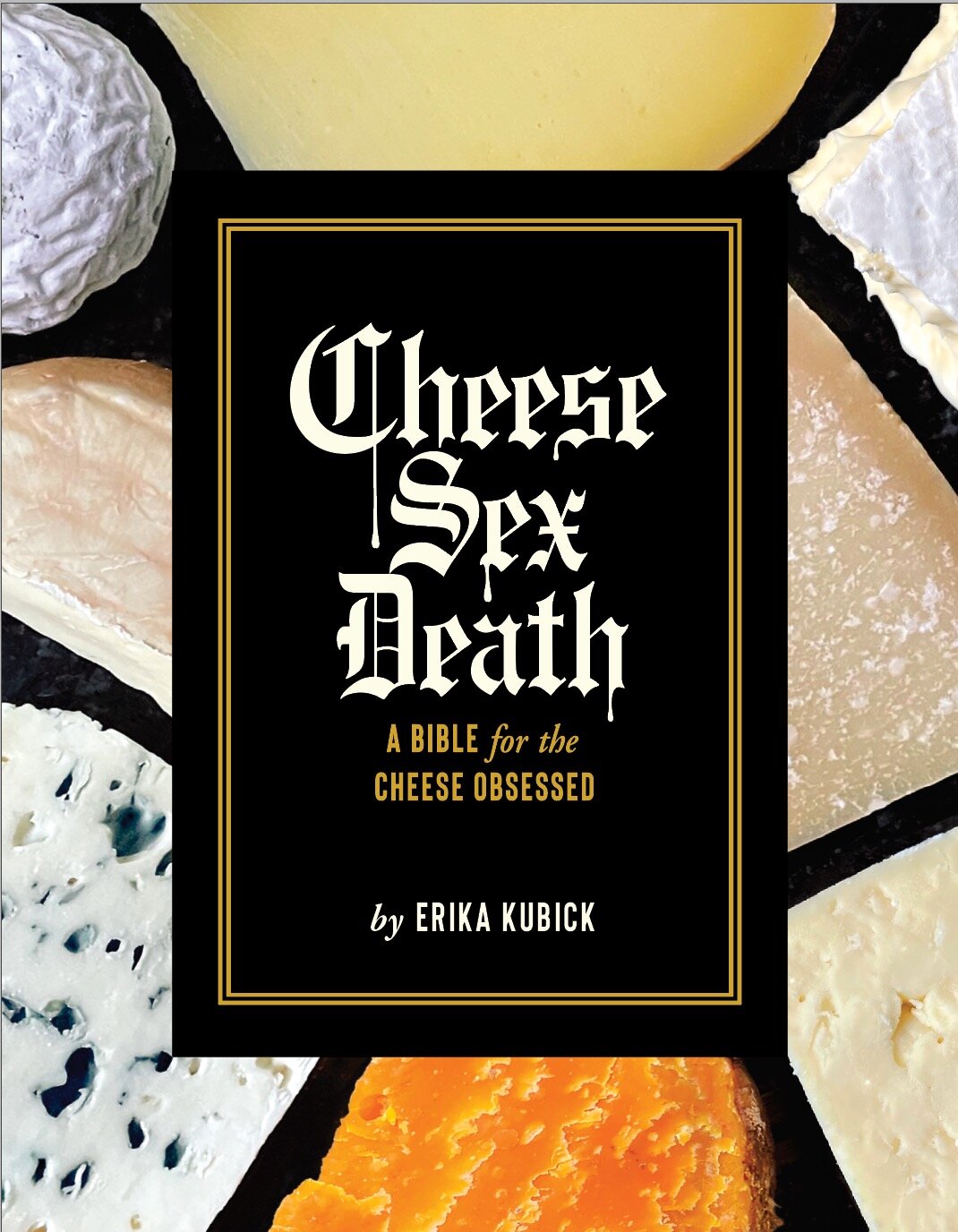
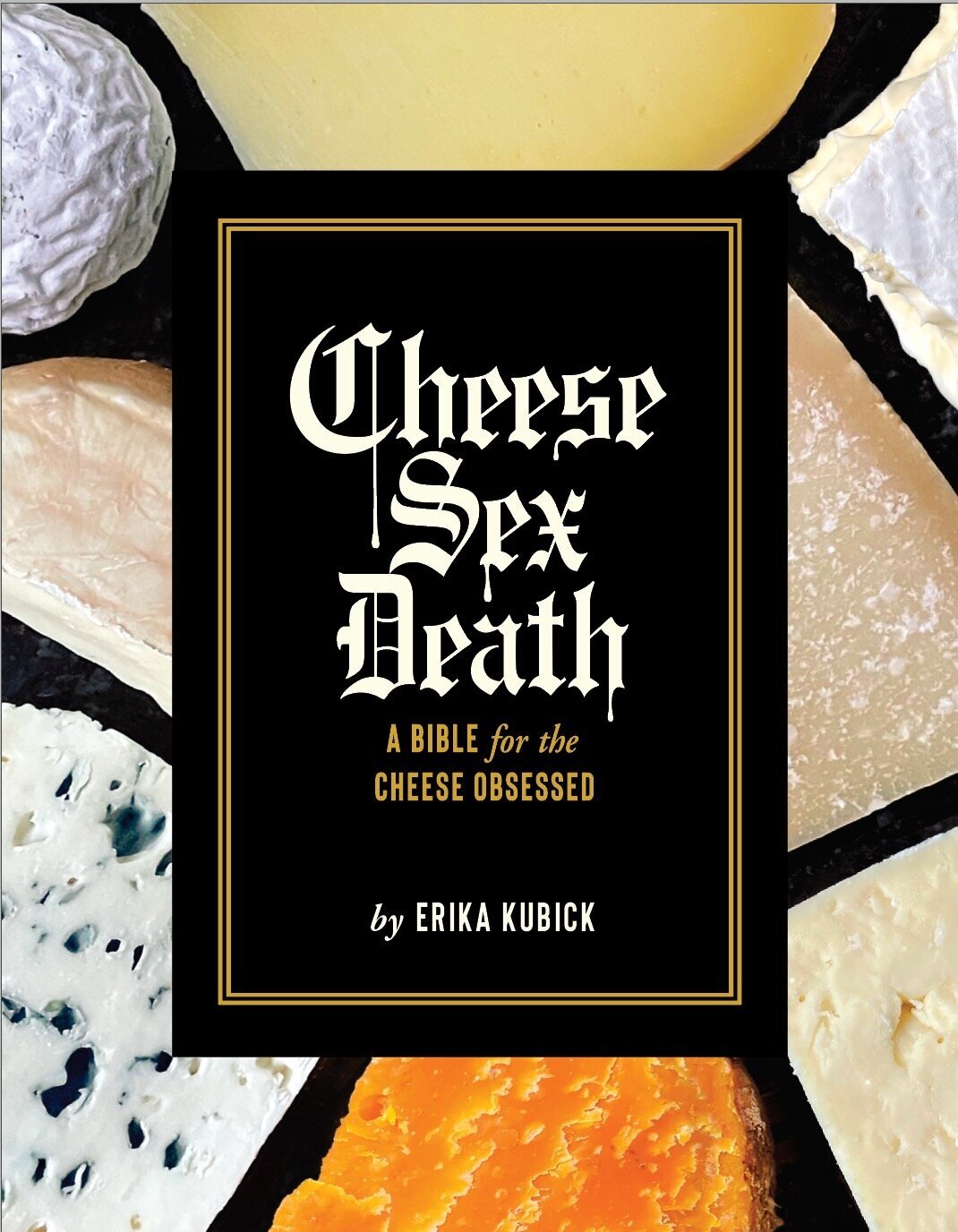
My first book, Cheese Sex Death: A Bible for the Cheese Obsessed is the perfect guidebook to help you worship our lord Cheesus. Just like the Holy Bible, the cheese bible is separated into two glorious parts: The Old Testament and The New Testament. The first part tells the story of how Cheesus was discovered and also covers both cheesemaking and the different types of cheese. The New Testament has everything you need to know about worshipping Cheesus, from buying to storing, serving, tasting, pairing, plating, and cooking, complete with my favorite cheese recipes.
Cheese Sex Death is available to purchase through any of the retailers linked below:
I’m so excited to get this bible into your hands! I hope you enjoy her as much as I loved making her for you.
Cheese Shop Directory
A directory of American cheese shops, organized by state. Click here to see where to buy cheese online.
Alabama
Busy Corner Cheese and Provisions (Birmingham)
Belle Chevre (Elkmont)
The Cheese Cottage (Mobile)
Dayspring Dairy (Gallant)
Alaska
Fromagio’s Artisan Cheese (Anchorage)
Lucy’s Market (Soldotna)
Arizona
Arizona Farms Cheese (multiple locations)
Arcadia Premium (Phoenix)
Shea Cheese (Phoenix)
Arkansas
Sweet Freedom Cheese (Bentonville)
Boulevard Bread Co (Little Rock)
California
Bohemian Creamery (Sebastopol)
Central Coast Creamery (Paso Robles)
Farmstead Cheese and Wines (Montclair Village)
The Cheese Shop (Costa Mesa)
Nugget Market (Multiple Locations)
Small Goods (La Jolla)
Cultured Slice (Hermosa)
Let it Brie (Fullerton)
Vella Cheese Company (Sonoma)
Nicasio Cheese (Marin County)
Point Reyes Cheese (Point Reyes Station)
Bivalve Dairy (Point Reyes Station)
Cheese Plus (San Francisco)
Oakdale Cheese (Oakdale)
Cheese Cave (Claremont)
The Cheese Shop (Carmel)
Cheese Addiction (Long Beach)
Andrew’s Cheese Shop (Santa Monica)
Lady & Larder (Santa Monica)
Achadinha Cheese Co. (Petaluma)
Agnes (Pasadena)
Say Cheese (Los Angeles)
DTLA Cheese (Los Angeles)
Larchmont Village Wine Spirits & Cheese (Los Angeles)
Milkfarm (Los Angeles)
Cheese Store of Beverly Hills (Los Angeles)
Pavilions (Los Angeles)
The Rind (Sacramento)
Sacramento Natural Foods Co-Op (Sacramento)
Venissimo (San Diego)
Cheese Shop 831 (Capitola)
Colorado
Cured(Boulder)
Cheese Importers (Longmont)
The Cheese Haus (Colorado Springs)
Springside Cheese (Pueblo)
St. Kilians (Denver)
Truffle Cheese shop (Denver)
Marczyk Fine Foods (Denver)
James Ranch Market (Durango)
Connecticut
Dom's Cheese Shop (Avon)
Fairfield Cheese (Fairfield)
Madison Cheese (Madison)
Bon Appetit (Hamden)
109 Cheese & Wine (Multiple locations)
Darien Cheese & Fine Foods (Darien)
Fromage Fine Foods & Coffees (Old Saybrook)
Delaware
Janssen's Fine Foods (Greenville)
District of Columbia
Florida
Cheese Please (Tampa)
The Cheese Lodge (New Port Richey)
La Femme Du Fromage (Orlando)
The Cheese Course (Weston)
Artisan Cheese Company (Sarasota)
Georgia
Hidden Creek Farm & Goat Dairy (Blairsville)
Sweet Grass Dairy (Thomasville)
Hawaii
Surfing Goat Dairy (Kula)
Naked Cow Dairy (Waianae)
Idaho
Lark & Larder (Boise)
Illinois
All Together Now (Chicago)
L&M Fine Foods (Chicago)
Augusta Food and Wine (Chicago)
Beautiful Rind (Chicago)
Cheese & Crackers (Champaign)
Art Mart (Champaign)
Prairie Fruits Farm (Champaign)
Marché (Glen Ellyn)
Standard Market (Westmont)
Indiana
Oh Mamma’s On the Avenue (South Bend)
Goose the Market (Indianapolis)
Smoking Goose Public Smokehouse (Indianapolis)
The Roaming Wedge (mobile cheese shop)
Iowa
The Cheese Shop (Des Moines)
Brix Cheese Shop & Wine Bar (Iowa City)
New Pioneer Food Co'op (Multiple locations)
Kansas
Jason Wiebe Dairy (Durham)
Au Marche (Lawrence)
The Better Cheddar (Multiple locations)
Kentucky
Stone Cross Farm (Taylorsville)
Harvest Home Dairy (Crestwood)
River Cottage Farm (Rockfield)
Wildcat Mountain Cheese (Bernstadt)
Kenny's Farmhouse Cheese (Austin)
Harvey's Cheese (Louisville)
Louisiana
St. James Cheese Company (New Orleans)
Keife and Co (New Orleans)
The Rind (Hammond)
Maine
The Cheese Iron (Scarborough)
Bangor Wine and Cheese (Bangor)
The Cheese Shop of Portland (Portland)
Eat More Cheese (Belfast)
Uncorked Wine & Cheese (Augusta)
Five Island Farm (Georgetown)
Nibblesford (Biddeford)
Maryland
Cheese Galore and More (Baltimore)
Chester River Wine & Cheese (Chestertown)
Tastings Gourmet Market (Annapolis)
Vaughan Cheese Counter & Bar (North Beach)
Massachusetts
Formaggio Kitchen (Cambridge)
Rubiner’s Cheesemongers & Grocers(Great Barrington)
Wasik’s Cheese Shop (Wellesley)
Concord Cheese Shop (Concord)
Pecorino (North Grafton)
Bacco's Wine & Cheese (Boston)
The Cheese Shop of Salem (Salem)
Smith Country Cheese (Winchendon)
Curds and Co (Brookline)
Allium Market (Brookline)
Chatham Cheese (Chatham)
Savour Wine and Cheese (Gloucester)
Leary’s Fine Wines & Spirits (Newburyport)
Provisions (Northampton and North Amherst)
Michigan
Zingerman’s (Ann Arbor)
Aperitivo (Grand Rapids)
The Cheese People (Grand Rapids)
The Cheese Lady (Grand Rapids)
Mongers’ Provisions (Detroit)
Petoskey Cheese (Petoskey)
Rockford Cheese Shop (Rockford)
Westborn Market (Berkley)
Culture Beer and Cheese (Brighton)
Minnesota
St Paul Cheese Shop (Saint Paul)
Redhead Creamery (Brooten)
The Cheese Cave (Fairbault)
Lake Wine and Spirits (Minneapolis)
Surdyk’s Cheese Shop (Minneapolis
MS Market Co'op (Multiple locations)
Missouri
Wine and Cheese Place (Multiple locations)
Cork & Rind (Saint Charles)
The Cheese Store (Sweet Springs)
Osceola Cheese (Osceola)
Parker's Table (St Louis)
Montana
City Vineyard Wine (Billings)
Flathead Lake Cheese (Polson)
Mavens Market (Bozeman)
Bozo Co'op (Bozeman)
Tucker Family Farm (Missoula)
Nevada
The Cheese Board (Reno)
Cured and Whey (Las Vegas)
Valley Cheese and Wine (Las Vegas)
Lakeview Cheese (Las Vegas)
New Hampshire
Harman’s Cheese (Sugar Hill)
Angela's Pasta & Cheese (Manchester)
C'est Cheese (North Hampton)
New Jersey
Bay Head Cheese Shop and Bottles Too (Bay Head)
Bobolink Dairy (Milford)
Cheese and Wine Store (Hoboken)
The Cheese Cave (Red Bank)
Cheese Etc. (Haddon Township)
Chez Cheese (Tenafly)
Fourchette Fromage (Clinton)
Lebanon Cheese (Lebanon)
Seaside Cheese (Cape May)
Van Hook Cheese (Jersey City)
Cherry Grove Farm (Lawrenceville)
Valley Shepherd (Long Valley)
Olive With A Twist (Frenchtown)
C’est Cheese (Port Jefferson)
Olsson’s Fine Foods (Princeton)
The Cheese Shoppe (Surf City)
New Mexico
The Mousehole Cheese Shop (Albuquerque)
New York
Di Silvestro & Sons Cheese Shop (Adams)
Milk and Hops (Astoria)
The Cheese Traveler (Albany)
Callee 1945 (Oneida)
The Curd Nerd (Syracuse)
Kutter Cheese Factory (Corfu)
River Rat Cheese (Clayton)
Barnyard Cheese (New York City)
Bedford Cheese Shop(New York City)
Brooklyn Larder (New York City)
Campbell & Co (New York City)
Foster Sundry (New York City)
Malt and Mold (New York City)
Murray’s Cheese Shop (New York City)
Saxelby Cheese (New York City)
Village Cheese Merchant (Rockville Centre)
Dobbs & Bishop (Bronxville)
Muranda Cheese Company (Waterloo)
Adams Fairacre Farms (Wappingers)
Plum Plums Cheese (Westchester)
Wegman’s (multiple locations across the east coast)
Scott & Joe (Nyack)
North Carolina
Orman's Cheese Shop (Charlotte)
Mere's (Charlotte)
The Loyalist Market (Matthews)
Southport Cheese Shop (Southport)
Southern Whey (Charlottesville)
The Cheese Shop (Carborro)
North Dakota
Luna (Fargo)
Pinch and Pour (Fargo)
Ohio
Black Radish (Columbus)
Grandpa’s Cheesebarn (Ashland)
Lamp Post Cheese (Lebanon)
Old Brooklyn Cheese Company (Cleveland)
The Cheese House (Orrville)
The Rhined (Cincinnati)
Yaggi Cheese House (New Philadelphia)
Walnut Creek Cheese (Multiple locations)
Share Cheesebar (Pleasant Ridge)
Oklahoma
Swan Bros. Dairy (Claremore)
Forward Foods (Norman)
Vine & Board (Edmond)
Oregon
Elephants Deli (Multiple locations)
Ochoa’s Queseria (Albany)
Face Rock Creamery (Bandon)
New Seasons Market (Multiple locations)
Oregon Cheese Cave (Phoenix)
The Kiva (Eugene)
Provisions Market Hall (Eugene)
TMK Creamery (Canby)
Providore Fine Foods (Portland)
Grazing Fields Cheese & Charcuterie Shoppe (Salem)
Pennsylvania
Philly Cheese School (Philadelphia) Classes Only
DiBruno Brothers (Philadelphia)
Third Wheel Cheese (Philadelphia)
Claudio’s Specialty Foods (Philadelphia)
Talula’s Table (Kennett Square)
PennMac (Pittsburgh)
Penn State Creamery (University Park)
Mediterra (Sewickley)
Chantal's Cheese Shop (Pittsburgh)
The Cheese House (New Wilmington)
Downtown Cheese Shop (Philadelphia)
Town Clock Cheese Shoppe (Gap)
Rhode Island
Cheese Wheel (Tiverton)
Edgewood Cheese Shop (Cranston)
South Carolina
The Gourmet Shop (Columbia)
Charleston Artisan Cheese House (Charleston)
Goat Sheep Cow (Charleston)
Avondale Wine & Cheese (Charleston)
Ted's Butcher Block (Charleston)
Counter Cheese Caves (Charleston)
South Dakota
Dimock Dairy (Dimock)
Cheese World USA (Sioux Falls)
Look's Marketplace (Sioux Falls)
Farm Life Creamery (Ethans)
Tennessee
Standing Stone Farms (Gallatin)
Bloomy Rind (Nashville)
Greys Fine Cheeses (Nashville and Memphis)
Bleu Fox Cheese Shop (Chattanooga)
Sweetwater Valley Farm (Philadelphia)
Euphoric Cheese Shop (Knoxville)
Texas
Antonelli's Cheese Shop (Austin)
Union Merchant (Georgetown)
Scardello (Dallas)
Houston Dairymaids (Houston)
Veldhuizen Cheese Shoppe (Dublin)
Ten One Artisan Cheese (Denton)
Mozzarella Company (Dallas)
Brazos Valley Cheese (Waco)
Otto’s Cheese Shop (New Braunfels)
Central Market (San Antonio)
Utah
Riverhorse Provisions (Park City)
Mesa Farm Market (Caineville)
Beehive Cheese (Salt Lake City)
The Creamery (Beaver)
Tony Caputo's Market & Deli (Multiple Locations)
Vermont
Dedalus Wine (Burlington)
Battleboro Food Co-Op (Battleboro)
Grafton Village Cheese (Battleboro)
Dakin Farm (Multiple Locations)
Mad River Taste Place (Waitsfield)
Virginia
Cheesetique (Alexandria)
Arrowine & Cheese (Arlington)
Feast! (Charlottesville)
The Cheese Place (Dayton)
The Belmont Butchery (Richmond)
Truckle Cheesemongers (Richmond)
Washington
Cougar Cheese (Pullman)
DeLaurenti (Seattle)
Big John’s PFI (Seattle)
Wanderlust Delicato (Spokane)
Samish Bay Cheese (Bow)
Twin Sisters Creamery (Ferndale)
The Cheesemonger’s Shop (Leavenworth)
Street Cheese (Burien)
Washington D.C.
West Virginia
Fleur de Lis Cheese Shop (Berkeley Springs)
The Wine and Cheese Shop at Capitol Market (Charleston)
Wisconsin
Landmark Creamery (Belleville)
Larry’s Market (Brown Deer)
Wisconsin Cheese Mart (Milwaukee)
West Allis Cheese & Sausage Shoppe (West Allis)
Door County Creamery (Sister Bay)
Fromagination (Madison)
The Cheese Board (Minocqua)
Village Cheese (Wauwatosa)
Door Artisan Cheese (Egg Harbor)
Ellsworth Cheese (Ellsworth)
Bountiful Boards (Green Bay)
Hill Valley Cheese Shop (Lake Geneva)
Wyoming
Chalk N' Cheese (Laramie)
Grant Street Grocery (Casper)

How to Store Cheese
Understanding how to store cheese is essential knowledge for all cheese sluts. Those sultry little wedges in your fridge need ample oxygen and humidity, which is why you should never store your cheese in plastic wrap. Here’s a guide on how to store your cheese, including a breakdown of the shelf life of cheese.
And Keep it Fresh
Understanding how to store cheese is essential knowledge for all. Those sultry little wedges in your fridge need ample oxygen and humidity, which is why you should never store your cheese in plastic wrap. Proper cheese care is actually very easy. Here’s a guide on how to store your cheese, including a breakdown of the shelf life of cheese.
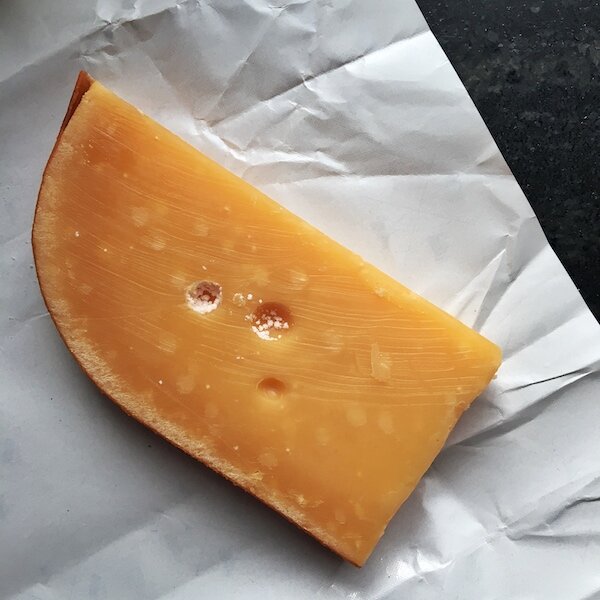
How to Store Cheese Like a Good Cheese Slut
Cheese is alive and breathing, which means it needs oxygen and humidity to stay fresh and tasty. Now, I know it’s convenient to just keep your cheese in the plastic wrap it came in, but it’s just as easy to take care of it properly. Proper cheese storage is very simple and only takes a few minutes of actual effort. Your cheese will reward you with the sexiest flavor experience possible.
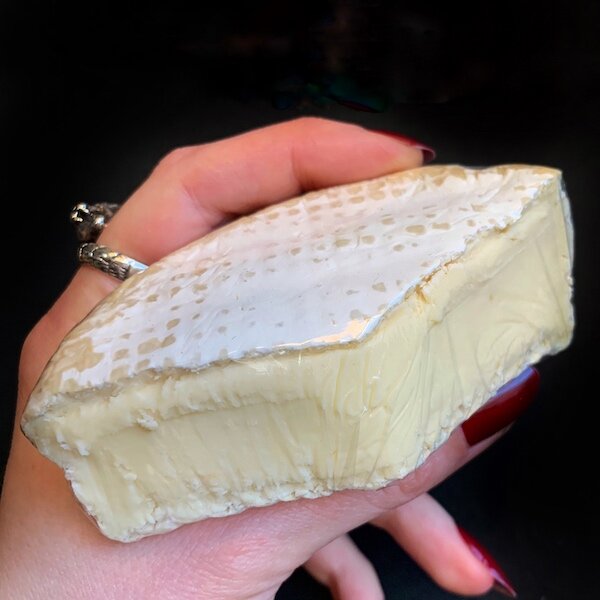
3 REASONS WHY YOU SHOULD NEVER STORE YOUR CHEESE IN PLASTIC WRAP
1. IT SUFFOCATES THE CHEESE
Plastic wrap cuts off the air supply, essentially suffocating your specimen. A suffocated cheese will eventually die, leading to tragic off-flavors and textures that are weird in all the wrong ways.
2. IT TRAPS IN MOISTURE
Cheese needs the right amount of humidity. If there’s too much moisture trapped inside the wrapper, the rind will become slimy, moldy, and the wrong kind of smelly.
3. IT LETS IN LIGHT
Because it’s clear, plastic wrap lets in a lot of light, which can oxidize aged cheeses. This destroys their sexy complexities and leads to a nasty, crayon-like flavor.
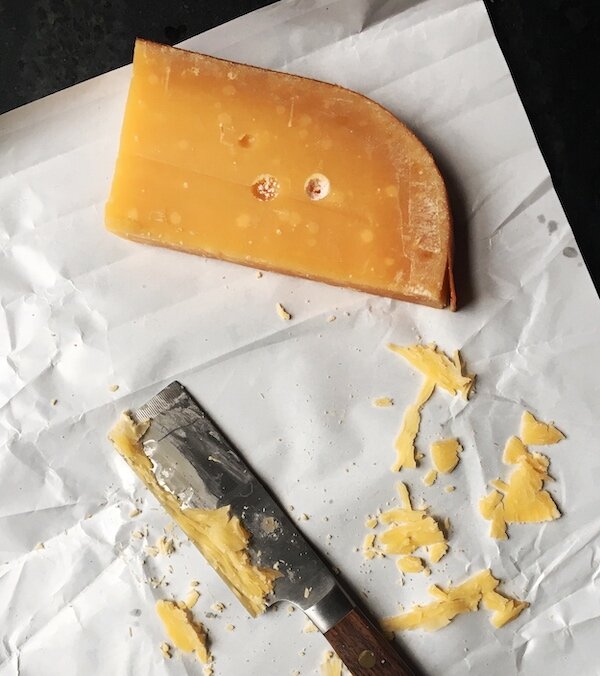
How to Keep Your Cheese Fresh with Proper Storage
1. IF YOU’RE BUYING CHEESE THAT WAS STORED IN PLASTIC, CHECK THE DATE FIRST.
Of course, a lot of retailers wrap cheese in plastic, both for convenience and to make it easier for consumers to see the cheese they’re considering. While cheese needs oxygen to breathe, it’s very good at holding its breath for short periods of time. Check the date to make sure it’s only been in plastic for (ideally) a week or less. If there’s only a sell-by date, use your best judgment by checking for discolored spots on the paste or cracks in the rind.
2. SLIP OFF THAT PLASTIC WRAP AS SOON AS YOU GET HOME
When you get home for the cheese store, slide off that plastic wrap and let your cheese breathe for a few minutes. If the cheese is firm and tastes a little like a refrigerator, take a non-serrated chef’s knife and slightly scrape off that little glossy layer on the paste.
3. WRAP YOUR CHEESE IN SPECIALTY CHEESE PAPER, OR ELSE PARCHMENT PAPER AND A ZIPLOC.
Specialty cheese paper provides airflow and humidity, which keeps your cheese healthy and happy. When you’re tucking it in for storage, make sure not to leave any parts exposed, because the fridge will dry them out and make them crusty. I prefer Formaticum’s cheese paper (see disclaimer at the bottom). Alternatively, wrap the cheese in parchment or butcher paper. Then, loosely wrap it in a Ziploc bag. Before closing the zipper, make sure there’s still some air in the bag so your cheese has plenty of oxygen and humidity.
4. IF YOU FIND MOLD ON YOUR CHEESE, JUST SCRAPE IT OFF.
Remember when I said that cheese was alive? That’s because it’s fermented, so there are all kinds of mold and bacteria crawling all over it. Sometimes the wrong ones hop onto the wrong places, and you’ll start to see white fuzzies on the inside of your cheese. It’s not going to hurt you, so before you toss that wedge, just scrape o that mold and even change the wrapper if you want to be extra careful. The only exception to this rule is fresh cheese: if those get moldy, it’s best to throw them away.
The Shelf Life Of Cheese
Now that you know how to store your cheese, let’s talk about how long it will last. This all depends on the type of cheese as well as the size of the individual piece. The smaller the piece, the faster it will go bad. Keep in mind that a wheel of cheese stops ripening and begins to deteriorate as soon as it’s cut, so it’s best to buy only as much as you need for the week, eat it fast, and then buy more.
Here’s how long each type of cheese typically lasts.
Fresh Cheeses, like ricotta: 1-3 days
Because they’re so fresh, these cheeses are best consumed as soon as possible after opening the package, otherwise they’ll get sour. The exception here is feta stored in a brine, which stays preserved for several months thanks to that salty bath.
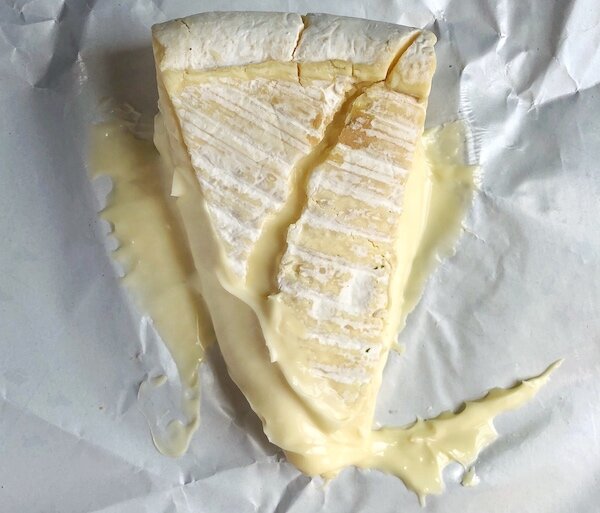
Bloomy-Rind Cheeses, like brie: 5-10 days
The ripeness of these cheeses determines their shelf life. Intact wheels of brie will continue to ripen until you cut the rind, a er which it starts to deteriorate. If it’s a young wheel, you might have an extra week. If it’s close to the expiration date, eat it up.
Washed-Rind Cheeses, like Taleggio: 1-2 weeks
The shelf life of stinky washies really depends on how much moisture is in the cheese. Squishy boys, like Époisse, have a lot of moisture, so they’ll go bad more quickly. Firm washies have less, so they’ll last longer.
Aged Cheeses, like Gruyère: 3-6 weeks
The harder the cheese, the more durable it is. I’ve even kept big wedges of Parmigiano in my fridge for a couple of months, and they’ve survived virtually unharmed. Still, their flavors will dull with time, so the sooner you eat them the better. Just check for mold every week or so.
Blue Cheeses, like Stilton: 1-2 weeks
Like the previously mentioned varieties, the shelf life of blue cheese depends on its texture. So ones will last about a week, while firmer ones will keep longer.
How to Eat Cheese When You’re Lactose Intolerant
Yes, you can eat cheese without destroying your insides.
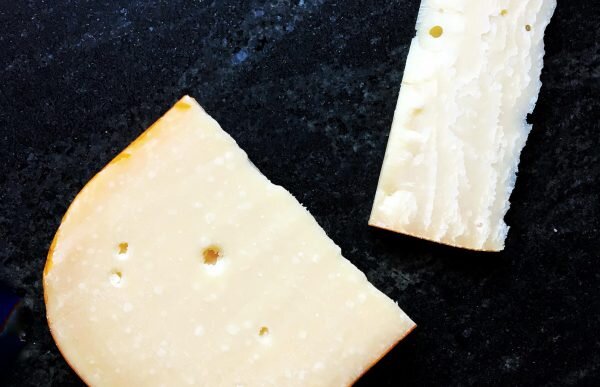
ATTENTION ALL LACTOSE INTOLERANT PEOPLE: YOU CAN EAT CHEESE!
A lot of people who are lactose intolerant think that they cannot eat cheese, but that is 𝙛𝙖𝙠𝙚 𝙣𝙚𝙬𝙨. Even if ice cream destroys your insides, you can still comfortably indulge in cheese on the regs. Why? Because cheesemaking converts lactose (milk sugar) into lactic acid. Any cheese aged 2 mo. or more is virtually lactose-free.
Let me show you the light. I’m here to answer all of your questions about eating cheese while lactose intolerant.

So, WTF is lactose?
Lactose is milk sugar.
…and WTF is lactose intolerance?
Lactose intolerance is when you have problems digesting the milk sugar in dairy. The lactose ferments in the small intestine, leading to uncomfortable feelings of indigestion, bloating, and worse.
Ok, so what foods have lactose?
Non-fermented, fresh dairy products, like milk and ice cream.
…and what foods don’t have lactose?
Fermented dairy products, like yogurt, kefir, and aged cheese. Butter also has very low levels of lactose, thank Cheesus.
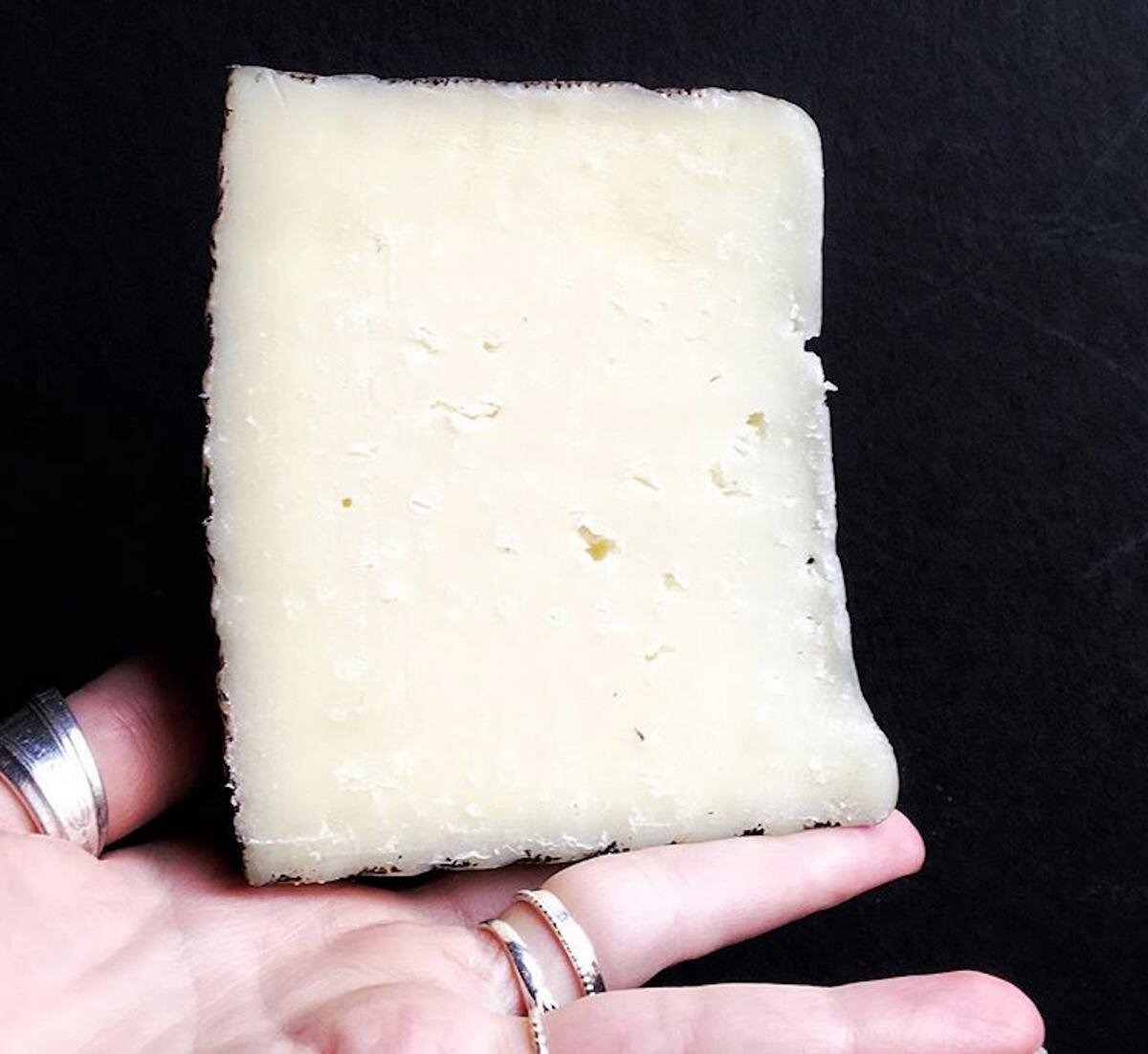
What’s up with this lactose intolerant cheese?
Well, technically cheese still has some lactose. There are just teeny tiny trace amounts leftover that your body probably won’t notice.
But why are they low in lactose?
There are actually two reasons why cheese is safe for the lactose intolerant:
The process of cheesemaking converts lactose into lactic acid
Once a cheese is cultured, the curds (milk solids) are drained of their whey milk liquid). The whey is what contains the lactose. As the cheese ages, it leaks out even more whey.
So, can I eat ALL the cheese?
Tread lightly, my friend. Avoid processed cheeses, such as American and deli Swiss, which are blended with lactose-heavy whey to make them melt better. Also, be careful with fresh cheeses, like mozzarella and ricotta. They have more lactose than aged cheeses.

Then, what cheeses can I eat?
Start with a hard, aged cheese, such as Parmigiano Reggiano. These have virtually no lactose. Parmigiano is also made with raw milk, which has more probiotics that can improve digestion.
So, I can only eat hard cheese?
Nah, I’m just giving you a jumping off point. Start slow and steady with an ounce of hard cheese. If that goes through your body easily, try a younger cheese such as Wisconsin cheddar. If that works out, then try going even younger with a little bit of brie. See what you can handle and go from there.
But what if I’m still getting sick from this cheese?
Try an aged sheep or goat milk cheese like Spanish Manchego or Midnight Moon Gouda from Cypress Grove.
And if I’m still getting sick?
Unfortunately, you might have a dairy or casein allergy and might need to avoid dairy altogether.

Where to Buy Cheese Online
It all begins with an idea.
A directory of American cheese shops with webstores. Click here to find a cheese shop near you.
Eastern US
BKLYN Larder (NY)
Curds and Co (MA) https://curdsandco.com/
Cheese Shop of Salem (MA)
Chantal's Cheese (PA)
Dedalus (VT)
DiBruno Brothers (PA)
Fairfield Cheese Co (CT)
Fromaggio Kitchen (MA)
Jasper Hill Farm (VT)
Mad River Taste (VT)
Murray's Cheese (NY)
Olsson’s Fine Foods (NJ)
Orrman 's Cheese (NC)
Parish Hill Creamery (VT)
PennMac (PA)
Saxelby's Cheese (NY)
Scott & Joe (NY)
Western US
DeLaurenti (WA)
Face Rock Creamery (OR)
Caputo's (UT)
Rumiano’s (CA)
Middle States
Cheese House (OH)
Door County Cheese (WI)
Fromagination (WI)
Gardner’s Wisconsin Cheese (WI)
Goose the Market (IN)
Landmark Creamery (WI)
MouCo Cheese Company (CO)
Monger's Provisions (MI)
Prairie Fruits Farm (IL)
Red Head Creamery (MN)
The Rhined (OH)
Zingerman's (MI)
Southern States & Territories
Antonell's (TX)
St James Cheese Shop (LA)
Surfing Goat Dairy (HI)
Sweet Grass Dairy (GA)